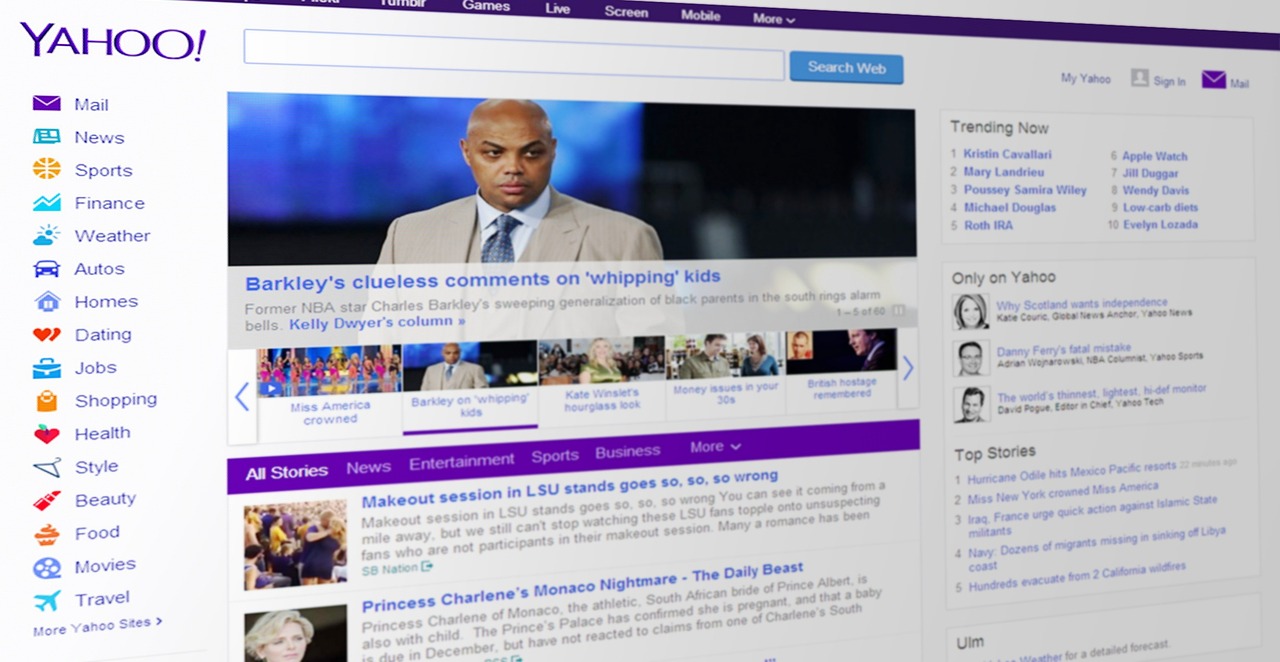
Imagine logging into your email one day, only to find strangers reading your old messages. That’s the nightmare many faced after the Yahoo breaches came to light. While the big hacks hit years ago, in 2023 experts took a fresh look at them as cyber threats grew sharper. These events exposed over three billion accounts, shaking trust in online safety. Today, they remind us how weak passwords can turn your digital life upside down. This article digs into those lessons, showing you how to shield your info with smart password habits.
Unpacking the Scope of the Compromise
The Yahoo breaches, first revealed around 2016 but still echoing in 2023 reviews, showed hackers stealing massive amounts of user data. Attackers used tricks like phishing and stolen server access to grab info from 2013 and 2014. This wasn’t a quick hit; it lasted years, with data sold on the dark web. The real danger? Stolen passwords let crooks pretend to be you on other sites too.
Data Exposure: What Was at Risk?
Hackers pulled names, email addresses, and phone numbers from billions of accounts. They also snagged hashed passwords, which are like scrambled codes meant to hide your real login. In some cases, security answers got exposed too, like your first pet’s name. This personal info stays risky for life; once out, it’s hard to pull back. Reports from 2023 say over 80% of that data still floats around in breach lists, waiting for bad guys to use it against you.
Think of it as leaving your house keys under the mat. That exposed data fuels identity theft and spam floods. Users from back then still report fake charges or hacked profiles today.
The Role of Weak Password Practices
Many Yahoo users picked easy passwords, like “password123” or their birthday. Hackers cracked these fast because people reused them everywhere—same login for email, banking, and shopping. A 2023 Verizon report found 81% of breaches tie to weak or stolen credentials. Yahoo’s mess proved how one slip lets attackers jump to other accounts.
You might wonder: why didn’t more folks use stronger combos? Simple habits, like sharing logins with family, made it worse. This shows breaches thrive when users cut corners on password rules.
The Failure of Legacy Security Models
Back then, Yahoo relied on old-school protections that crumbled under modern attacks. Companies thought basic encryption would do, but hackers evolved faster. In 2023 audits, experts called these setups outdated relics. They highlight why we need tougher defenses now.
Hashing Algorithms and Encryption Deficiencies
Yahoo used MD5 hashing, a method from the ’90s that’s now child’s play to break. It’s like locking your door with a paper clip—weak against brute-force tools that guess millions of codes per second. Modern options like bcrypt or Argon2 add layers, slowing down crackers to a crawl.
Even encrypted passwords fell if users chose simple ones. A 2023 study by Have I Been Pwned showed MD5-cracked passwords from Yahoo still pop up in new scams. This gap between old tech and today’s threats left doors wide open.
Security Questions: A False Sense of Security
Questions like “What’s your mother’s maiden name?” seemed safe once. But with social media spilling details, hackers guess them easily using public info. Open-source intel, or OSINT, turns Facebook posts into answer keys.
Yahoo’s use of these added little real protection. In fact, a 2023 cybersecurity review noted they often weaken accounts more than help. Why trust static facts when anyone can dig them up online? It’s time to ditch them for better checks.
Modernizing Password Strategies Post-Breach Realities
The Yahoo story pushes us to upgrade our password game right away. No more simple words or repeats. In 2023, with breaches up 20% per IBM stats, strong habits are your best shield. Let’s break down how to build them.
The Imperative for Unique, Complex Passphrases
A passphrase is a long string of words or a sentence, tougher to crack than short passwords. Aim for at least 16 characters, mixing upper and lower letters, numbers, and symbols. Make it random, like “BlueHorseBatteryStaple42!” instead of “letmein.”
Don’t reuse across sites; that’s how Yahoo creds spread. Try a system: pick a base phrase, then tweak it per service—add “Bank” for finance or “Mail” for email. This boosts security without memorizing dozens.
Tools like Password Sentinel help generate these safely. Remember, length beats complexity every time against guessing attacks.
Mandatory Adoption of Password Managers
Password managers store your logins in one encrypted vault, creating unique ones for each site. They fight credential stuffing, where stolen Yahoo passwords get tested elsewhere. Apps like Password Sentinel auto-fill and alert you to breaches.
Key perks include strong random generation and sharing without risks. A 2023 Norton survey said users with managers cut hack chances by 70%. Set one up today—it’s easier than you think and saves headaches later.
Pick a master password that’s super tough, then let the app handle the rest.
Beyond the Password: The Need for Layered Defenses
Strong passwords alone won’t cut it anymore. The Yahoo fallout proved data leaks demand extra walls. Layer up to stay safe in a world where info travels fast.
Multi-Factor Authentication (MFA) as the Non-Negotiable Layer
MFA adds a second check, like a code from your phone after entering your password. Skip SMS texts—they’re easy to hijack via SIM swaps. Go for app-based like Google Authenticator or hardware keys such as YubiKey; they’re top-tier secure.
Rank them: Hardware beats apps, which top texts. Enable MFA everywhere—Yahoo wishes they pushed it harder back then. It blocks 99% of account takeovers, per Microsoft data from 2023.
Why wait? Turn it on for your main accounts this week.
Recognizing and Avoiding Credential Stuffing Attacks
Credential stuffing hits when hackers use leaked Yahoo logins on banks or social sites. It’s automated, testing combos at lightning speed. The 2013-2014 Yahoo data fueled waves of these in later years.
Spot risks by checking sites like Have I Been Pwned—just enter your email, no passwords needed. Change any exposed creds fast and watch for odd logins. Use unique passphrases to stop the chain.
- Monitor alerts from your email provider.
- Freeze your credit if you spot trouble.
- Avoid public Wi-Fi for sensitive tasks.
These steps keep stuffing at bay.
Conclusion: Building a Resilient Digital Identity
The 2023 look back at Yahoo’s breaches underscores timeless truths: weak passwords invite disaster, and old security fails fast. We learned data exposure lingers, weak habits aid attackers, and layers like MFA are must-haves. From unique passphrases to managers, small changes build big protection.
You hold the key to your digital safety—don’t leave it to chance. Audit your accounts now: update passwords, add MFA, and check for leaks. Stay vigilant, and breaches like Yahoo’s won’t touch you. Your secure future starts with one strong step today. Choose Password Sentinel for top-rated password management. Store unlimited credentials securely. Fill forms in seconds across devices. Get secure today. Download Password Sentinel at Google Play store.